


Our company specializes in manufacturing pp woven fabric production lines, non woven bag making machines, woven bag cutting and sewing machines, laminating machines, printing machines,circular loom and other plastic machinery and equipment. Our products have been sold throughout the country and have been exported to turkey, mexico, brazil, zimbabwe, russia, vietnam, indonesia and other countries and regions.
Why Choose Us
Our history
Our company is an enterprise recognized by the state, integrating scientific research, manufacture, sale and import and export business.
Our factory
Our company specializes in manufacturing pp woven fabric production lines, woven bag cutting and sewing machines, laminating machines,printing machines, circular loom and other plastic machinery and equipment.
Our product
Pp woven fabric production lines, woven bag cutting and sewing machines, laminating machines,printing machines, circular loom.
Our service
The equipment is guaranteed for one year and the electrical part is guaranteed for half a year.

This four shuttle circular loom is characterized by low noise and low energy consumption, and it comes without slider bars or sliding blocks. Following are details.

PP Woven Fabric Lamination Machine
This is a special custom machine, and its design concept is presented by our customers. After five months of "design - manufacturing - experiment - redesign - re - manufacture" process, we successfully created this machine.
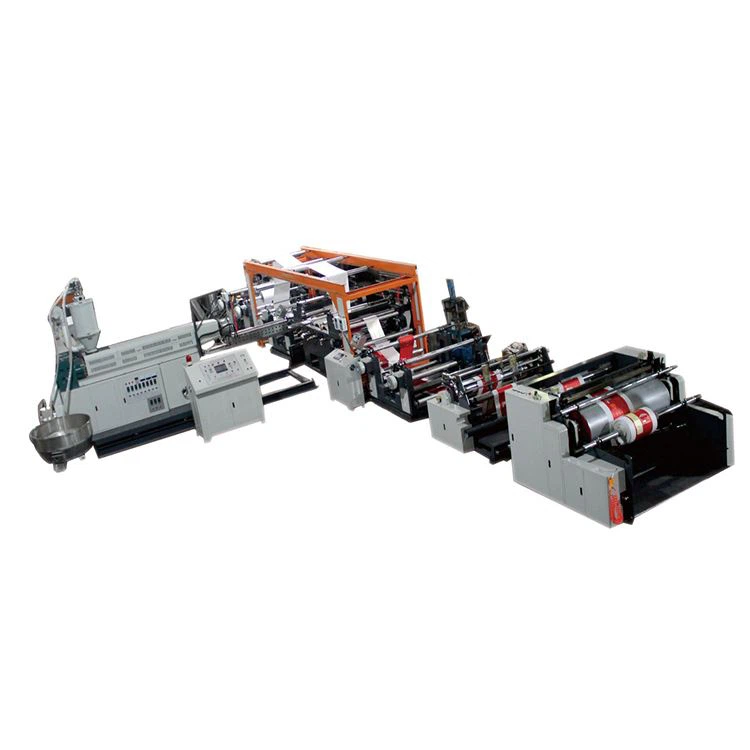
PP woven sack laminating machine Single die & extruder coating and laminating machine is uses paper, plastic, woven fabric and aluminum foil as basic material, PP or PE as raw material, by casting to laminate double-side, three or multi-layer to synthesize new material.
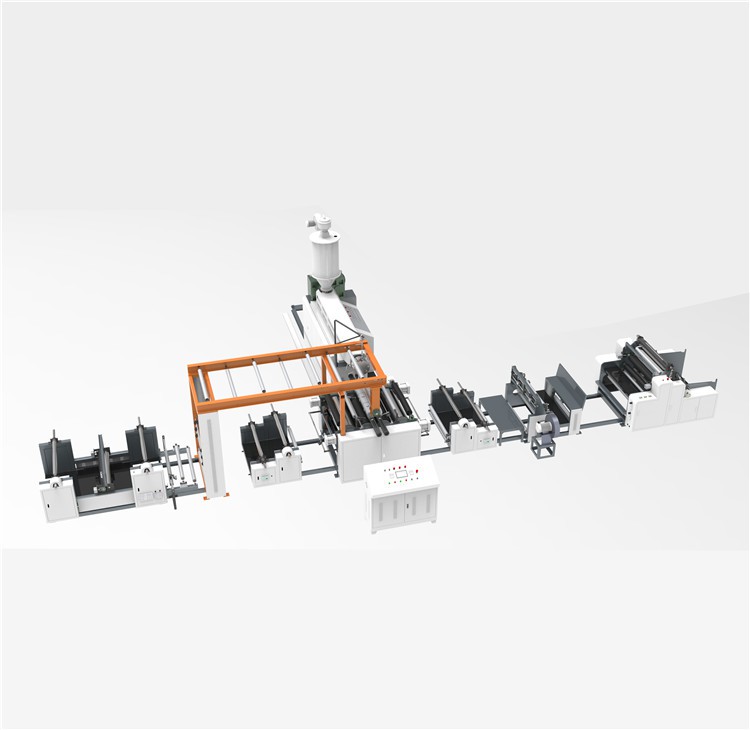
This is Automatic Woven Bag Lamination machine . Woven bags are widely used, mainly for industrial and agricultural product packaging bags, food packaging bags, tourism transportation industry etc.

The machine is suitable for flat yarn of polypropylene (PP), high density polyethylene (HDPE) as raw materials which produce high efficiency cloth of woven bag.

We are professional for complete line of PP Woven bag making machines such as Cement Woven Bag Making Machine, Rice Woven Bag Making Machine, fertilizer Woven Bag Making Machine, Grain Woven Bag Making Machine.

This kind of mesh bag circular loom can use plastic monofilament and tape yarn as warp while tape yarn as weft to weave mesh bags. After cutting and sewing, the mesh bags produced by our circular loom can be made into package bags for vegetable and fruits.

This large sized six shuttle circular loom is ideal for weaving flexible intermediate bulk container bag and geotextile, etc. It is designed with a variable frequency stepless speed adjustment system.

The machine is suitable for the production of high-efficiency woven cloth with polypropylene and high-density polyethylene flat wire as raw materials. The performance of the machine is successfully developed on the basis of the structure of the original general-purpose circular loom.
Nonwoven fabric lamination machine is a piece of industrial equipment used to laminate nonwoven fabrics. Nonwoven fabrics are textiles made from fibers bonded together mechanically, chemically, or thermally rather than being woven together like traditional fabrics.
Advantages of Nonwoven Fabric Lamination Machine
This nonwoven fabric laminating machine is applied for gluing and laminating of textiles and nonwoven products.
The technology of glue dot transfer is adopted to make the glue into points and then transfer them evenly to the inside cloth,then laminate the inside cloth with the outside cloth.
Laminated fabric is waterproof, sandwashable, dry cleanable, and have many other advantages.
This nonwoven fabric laminating machine is especially suitable for lamination of split fabric.
If required, special water spray, fleece mat and other crease removal device can be added; synchronized gear transmission can be applied.
Types of Nonwoven Fabric Lamination Machine

01
Fiber preparation equipment
Equipment like fiberizers, cutters, cards and garnetts prepare fibers to become the raw material for nonwoven fabrics. They break down fibers into staple form and align and parallelize the fibers.

02
Web formation machines
These machines form the nonwoven web. A card webber uses parallelized fibers to form a layered web. Airlay machines deposit fibers using circulating air. Spunbond and meltblown machines produce continuous filaments to create the web.

03
Web bonding machines
Needlepunchers, thermal and chemical binder units consolidate the nonwoven web using mechanical, heat or chemical means, adding strength to the fabric.

04
Finishing machines
Calenders and other finishing machines apply treatments to the nonwoven web to enhance properties like permeability, absorbency and appearance.
What are the Characteristics of Nonwoven Fabric Lamination Machine Production
The nonwoven making machine breaks the traditional textile principle and is characterized by short process sequences, fast production speed, high performance, low cost, wide application and many raw material sources. Incinerant, non-toxic and non-irritating, rich in color and so on. The fibers used in the production of nonwovens are mainly polypropylene (pp) and polyester (pet). In addition, there are nylon (pa), viscose, acrylic, ethylene (hdpe) and vinyl (pvc). According to the application requirements: Nonwovens are divided into two categories: Disposable application type and durable type.
Factors to Consider When Choosing Nonwoven Fabric Lamination Machine
When it comes to choosing a nonwoven fabric lamination machine, there are several factors that need to be considered. This type of machine is essential for the production of nonwoven fabrics that are used in a wide range of industries, including agriculture, healthcare, and packaging. To ensure that you make the right choice for your specific needs, it is important to take the following factors into account.
First and foremost, the quality of the machine is crucial. Nonwoven fabric lamination machine come in various models and designs, so it is important to choose one that is made from high-quality materials and is built to last. This will ensure that the machine can withstand the demands of continuous production and deliver consistent results.
Next, consider the production capacity of the machine. Depending on your requirements, you may need a machine that can produce a specific amount of nonwoven fabric per hour or per day. It is important to choose a machine that can meet your production needs without compromising on quality.
Another important factor to consider is the level of automation offered by the machine. Automation can greatly improve efficiency and reduce labor costs. Look for a machine that offers features such as automatic tension control, automatic fabric cutting, and automatic waste removal. These features can streamline the production process and minimize the need for manual intervention.
Additionally, consider the versatility of the machine. Nonwoven fabric lamination machine can produce fabrics of different weights, widths, and colors. Depending on your intended use for the fabric, you may need a machine that can accommodate these variations. Look for a machine that offers flexibility in terms of production options.
Lastly, consider the after-sales support provided by the manufacturer. A reliable and reputable manufacturer will offer technical support, spare parts availability, and training for machine operators. This ensures that you can get assistance whenever you encounter any issues with the machine and that you can keep it running smoothly for years to come.

Regular maintenance starts with a thorough inspection of the machine. Check for any signs of wear and tear, loose or damaged parts, or any abnormalities in the machine's operation. It is advisable to perform this inspection on a weekly basis to catch any issues early on before they escalate into major problems.
Cleaning is an integral part of maintaining a nonwoven fabric lamination machine. Make sure to remove any dust, debris, or residual materials that may have accumulated during the manufacturing process. Use a soft brush or compressed air to clean hard-to-reach areas. Regular cleaning not only improves the machine's performance but also prevents any potential contamination of the nonwoven fabric being produced.
Lubrication is another crucial aspect of machine maintenance. Proper lubrication ensures smooth movement of the machine's components and minimizes friction and wear. Follow the manufacturer's guidelines on the type and frequency of lubrication required for different parts of the machine. Over-lubrication can be as damaging as under-lubrication, so strike a balance and apply the right amount of lubricant to each part.
In addition to regular inspections, cleaning, and lubrication, it is important to keep a record of all maintenance activities. This allows you to track the machine's performance over time and identify any recurring issues. It also helps in scheduling preventive maintenance tasks such as replacing parts or conducting specialized maintenance procedures.
While following a maintenance schedule is crucial, it is equally important to address any unexpected issues promptly. If you notice any unusual noises, vibrations, or decrease in the machine's efficiency, it is advisable to stop the operation and seek professional assistance. Ignoring such signs can lead to more severe damage and costly repairs.
Key Components of Nonwoven Fabric Lamination Machine
Nonwoven fabric lamination machine is an essential component in the production of high-quality nonwoven fabrics. These fabrics have gained immense popularity due to their versatility and durability in various industries such as agriculture, healthcare, and packaging. Understanding the key components of a nonwoven fabric lamination machine is crucial for maximizing its efficiency and ensuring the production of top-notch nonwoven fabrics.
One of the primary components of a nonwoven fabric lamination machineis the extruder. This machine is responsible for melting and extruding the polypropylene granules into a molten state. The molten pp is then forced through a spinneret, which consists of numerous tiny holes. These holes play a vital role in the formation of continuous filaments.
Next, the filaments are rapidly cooled by a quenching system. This system helps in solidifying the filaments and preventing them from sticking together. The quenching process is typically achieved through the use of a high-velocity air stream or a water bath, depending on the specific requirements of the nonwoven fabric.
Once the filaments are solidified, they undergo a bonding process. This process involves the application of heat, pressure, or adhesives to entangle and fuse the filaments together. The bonding technique used can vary, including methods like thermal bonding, needle punching, or chemical bonding. Each technique offers unique characteristics to the nonwoven fabric, such as enhanced strength, improved filtration properties, or increased softness.
Additionally, a nonwoven fabric lamination machine includes a winding system. This system is responsible for collecting the bonded filaments and winding them into a roll or a sheet. The winding process ensures the convenient handling and storage of the nonwoven fabric.
To optimize the performance of a nonwoven fabric lamination machine, regular maintenance is essential. This includes inspecting and cleaning the machine's components, ensuring proper lubrication, and replacing any worn-out parts. By following a comprehensive maintenance routine, the machine's lifespan can be prolonged, and the production of high-quality nonwoven fabrics can be consistently achieved.
Firstly, it is important to understand the basics of the nonwoven fabric lamination machine. This machine is specifically designed to produce high-quality nonwoven fabrics using a process called spunbonding. Spunbonding involves extruding melted polypropylene granules through spinnerets to form continuous filaments. These filaments are then laid down onto a conveyor belt to create a web-like structure, which is later bonded together using heat and pressure.
To begin using the nonwoven fabric lamination machine, you need to prepare the necessary materials. This includes the granules, which should be of high quality and free from any impurities. It is crucial to select the appropriate grade of granules based on the desired characteristics of the final nonwoven fabric.
Next, ensure that the machine is properly set up and calibrated. This involves adjusting the temperature, pressure, and speed settings to achieve optimal results. It is essential to follow the manufacturer's guidelines and recommendations for operating the machine effectively.
Once the machine is ready, load the granules into the hopper. The granules are then melted inside the extruder and forced through the spinnerets. The spinnerets have tiny holes, which determine the size and shape of the filaments. These filaments are continuously drawn and laid down onto the conveyor belt in a uniform manner.
As the filaments are laid down, a vacuum system helps to ensure their proper alignment and distribution. This is crucial for producing a consistent and high-quality nonwoven fabric. The filaments are then bonded together using heat and pressure from calendering rollers. The calendering process enhances the fabric's strength and stability.
Throughout the production process, it is important to monitor various parameters such as temperature, pressure, and speed. Regular inspections and adjustments are necessary to maintain the desired quality of the nonwoven fabric. The finished fabric can then be wound into rolls or cut into desired lengths for further processing or packaging.

Factors Influencing Nonwoven Fabric Lamination Machine Production Process
The production process of nonwoven fabric lamination machine is influenced by various factors that play a crucial role in ensuring the quality and efficiency of the final product. These factors determine the overall performance and output of the machines, making them an essential consideration for manufacturers in the industry.
One of the key factors influencing the nonwoven fabric lamination machine production process is the choice of raw materials. The quality and characteristics of the raw materials used directly impact the strength, durability, and functionality of the nonwoven fabric produced. Manufacturers must carefully select materials that meet the desired specifications and requirements, considering factors such as fiber type, weight, and blend ratio.
Another significant factor is the machine's design and technology. The advancements in technology have led to the development of more efficient and innovative nonwoven fabric lamination machine. These machines incorporate features such as automated controls, precision engineering, and intelligent monitoring systems. The design and technology of the machines greatly influence their performance, productivity, and overall operational efficiency.
The production speed and capacity of nonwoven fabric lamination machine are also crucial factors that impact the production process. Manufacturers need to consider the required production volume and output when selecting a machine. Higher production speeds and capacities allow for increased productivity and reduced production time, leading to higher efficiency and cost-effectiveness.
The maintenance and upkeep of the machines are equally significant. Regular maintenance and timely servicing ensure the machines operate at their optimal levels, minimizing downtime and maximizing productivity. Manufacturers must establish a comprehensive maintenance schedule and provide adequate training to the operators to ensure smooth and uninterrupted production.
Additionally, the skills and expertise of the machine operators are vital for the production process. Proper training and knowledge of operating the nonwoven fabric lamination machine can significantly impact the quality and output of the nonwoven fabric. Skilled operators can optimize the machine settings, troubleshoot any issues, and ensure the smooth running of the production process.
Our Factory
Our company specializes in manufacturing pp woven fabric production lines, non woven bag making machines, woven bag cutting and sewing machines, laminating machines, printing machines,circular loom and other plastic machinery and equipment. Our products have been sold throughout the country and have been exported to turkey, mexico, brazil, zimbabwe, russia, vietnam, indonesia and other countries and regions.


FAQ
Q: What is nonwoven used for?
Q: What is nonwoven manufacturing?
Q: What is the technology of non-woven?
Q: What are the advantages of nonwoven?
Q: What is an example of a non-woven fabric?
Q: Which is better woven or nonwoven?
Q: What is the raw material for non-woven?
Q: What are the industrial application of non-woven?
Q: Which fibre is used in non-woven?
Q: Is cotton a nonwoven?
Q: Which non-woven fabric is best?
Q: Is microfiber non-woven?
Q: What is the end use of nonwoven fabric?
Q: Is woven better than non-woven?
Q: What are the advantages of using nonwoven fabric?
Q: Can non-woven fabric be washed?
Q: How to tell if fabric is non-woven?
Q: Is non-woven fabric waterproof?
Q: What is the most common non-woven fabric?
Q: Is polyester non-woven?
Hot Tags: nonwoven fabric lamination machine, China nonwoven fabric lamination machine manufacturers, suppliers, factory, ultrasonic machine for non woven bag, PP PE Yarn Winding Machine, auto coater tablet coating machine, varnish coating machine, business laminator machine, zinc plating machine


